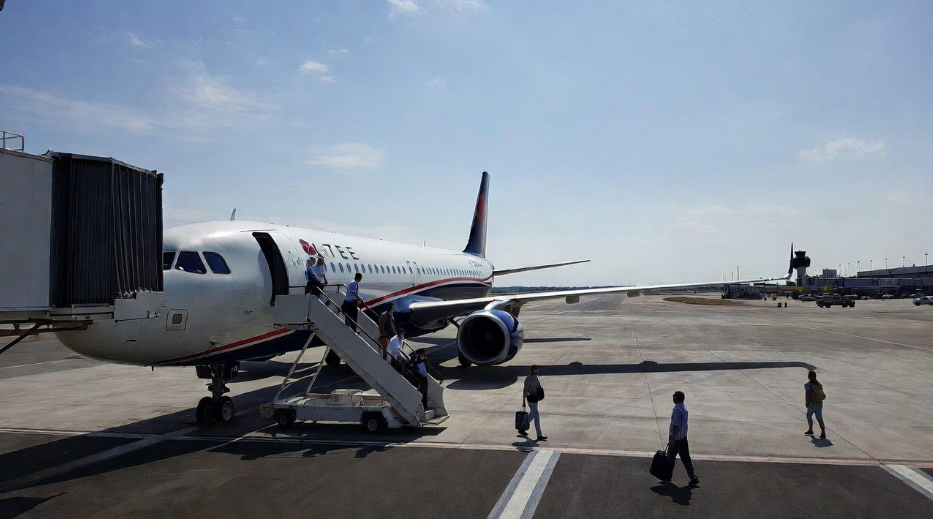
Delta flight DL636 diversion became a topic of discussion after the aircraft was forced to change its original route and land at a different airport than planned. When passengers book a flight, they expect to arrive at their destination smoothly and on time. However, aviation is a complex industry, and sometimes unexpected events lead to diversions. The diversion of Delta flight DL636 raised questions about safety, airline procedures, and passenger rights.
In this article, we will explain what a flight diversion means, possible reasons behind the Delta flight DL636 diversion, how airlines handle such situations, and what travelers should know if they ever experience something similar. Understanding these events can help reduce anxiety and provide clarity about how airlines prioritize safety.
What Is a Flight Diversion?
A flight diversion happens when an aircraft that is already in the air changes its planned destination and lands at a different airport. This decision is usually made by the pilot in coordination with air traffic control and the airline’s operations team. Diversions are not very common, but they are also not extremely rare in the aviation world.
The main reason for any diversion is safety. Pilots are trained to take preventive action if they believe continuing to the original destination could create risks. This could include weather problems, technical issues, medical emergencies, or airport-related challenges. When Delta flight DL636 diversion occurred, the airline likely followed strict safety protocols to ensure everyone on board remained safe.
It is important to remember that diversions are a sign that safety systems are working properly. Rather than taking unnecessary risks, airlines choose the safer option of landing at a nearby airport to resolve the issue.
Possible Reasons Behind Delta Flight DL636 Diversion
There can be many reasons for a flight to divert. While specific details may vary, common causes include mechanical concerns, passenger medical emergencies, and severe weather conditions. In many cases, airlines provide a brief statement explaining that the diversion was made “out of an abundance of caution.”
Mechanical issues do not always mean something major is wrong. Sometimes a sensor warning or minor system alert can prompt a diversion. Even if the issue turns out to be small, pilots are trained to treat every alert seriously. If the Delta flight DL636 diversion was related to a technical matter, it would have been handled according to standard aviation procedures.
Weather is another common factor. Thunderstorms, strong winds, heavy snow, or low visibility can make landing at the planned airport unsafe. In such situations, pilots may choose a nearby airport with better weather conditions. Safety and passenger protection are always the top priorities.
How Airlines Handle Diversions
When a diversion takes place, the flight crew immediately informs passengers about the situation. Clear communication helps reduce confusion and panic. Cabin crew members are also trained to remain calm and provide reassurance during unexpected events.
After landing at the alternate airport, ground teams begin coordinating the next steps. This may include arranging another aircraft, refueling, conducting maintenance checks, or waiting for weather conditions to improve. In the case of Delta flight DL636 diversion, airline staff would have worked quickly to minimize inconvenience for travelers.
Airlines also assist passengers with rebooking, meals, and sometimes hotel accommodations if the delay becomes lengthy. Large airlines like Delta have established procedures for handling such events efficiently.
Passenger Experience During a Diversion
For passengers, a diversion can be stressful. Many travelers have connecting flights, business meetings, or family commitments. An unexpected landing at a different airport can disrupt carefully planned schedules.
However, most diversions are handled smoothly. Pilots usually explain the reason for the diversion once more details are confirmed. In many cases, passengers remain on board while the issue is resolved. Other times, they may be asked to disembark and wait in the terminal.
The key thing to remember during events like Delta flight DL636 diversion is that safety decisions are made carefully. Although delays can be frustrating, they are often short-term inconveniences compared to the importance of ensuring everyone’s well-being.
Safety Protocols in Modern Aviation
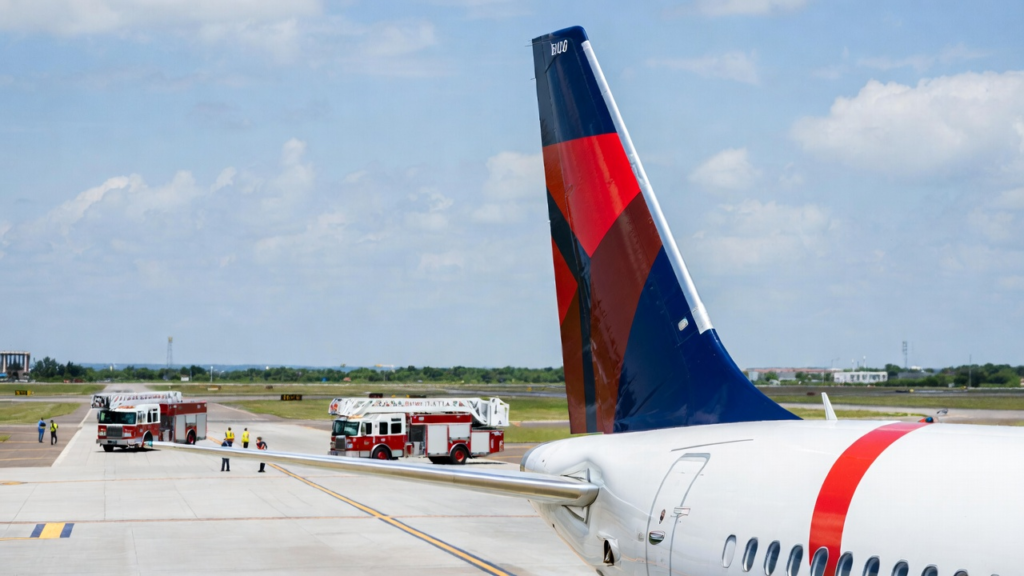
Modern aircraft are equipped with advanced monitoring systems. These systems continuously check engine performance, cabin pressure, fuel levels, and many other technical factors. If something unusual is detected, the cockpit receives an alert.
Pilots undergo extensive training to respond to all types of emergencies. They practice scenarios in flight simulators, including engine problems, system failures, and weather diversions. This training prepares them to make calm and informed decisions under pressure.
Air traffic control also plays a major role. Controllers assist pilots in finding the nearest suitable airport and ensure that the aircraft can land safely. When Delta flight DL636 diversion occurred, coordination between the flight crew and ground control would have been immediate and professional.
Impact on Airline Operations
A single diversion can affect multiple flights throughout the day. Aircraft rotations, crew schedules, and airport gate assignments may need adjustments. Airlines have operation centers that monitor flights in real time to manage these disruptions.
While diversions can increase operational costs, airlines accept this as part of maintaining strict safety standards. Passenger safety is never compromised for financial reasons. In the aviation industry, reputation and trust are extremely important.
After a diversion, airlines typically inspect the aircraft thoroughly before returning it to service. This ensures that the issue has been fully addressed and that the plane meets all regulatory requirements.
What Passengers Should Do During a Diversion
If you ever experience a situation similar to the Delta flight DL636 diversion, staying calm is the most important step. Listen carefully to announcements from the pilot and cabin crew. They will provide updates as soon as information becomes available.
Keep your phone charged and monitor airline apps for updates on rebooking or gate changes. Most airlines, including Delta, offer real-time notifications through mobile apps. This can help you adjust travel plans quickly.
If you have tight connections or urgent commitments, speak politely with airline staff after landing. They are trained to assist passengers and will try to offer the best available solutions.
Media Coverage and Public Interest
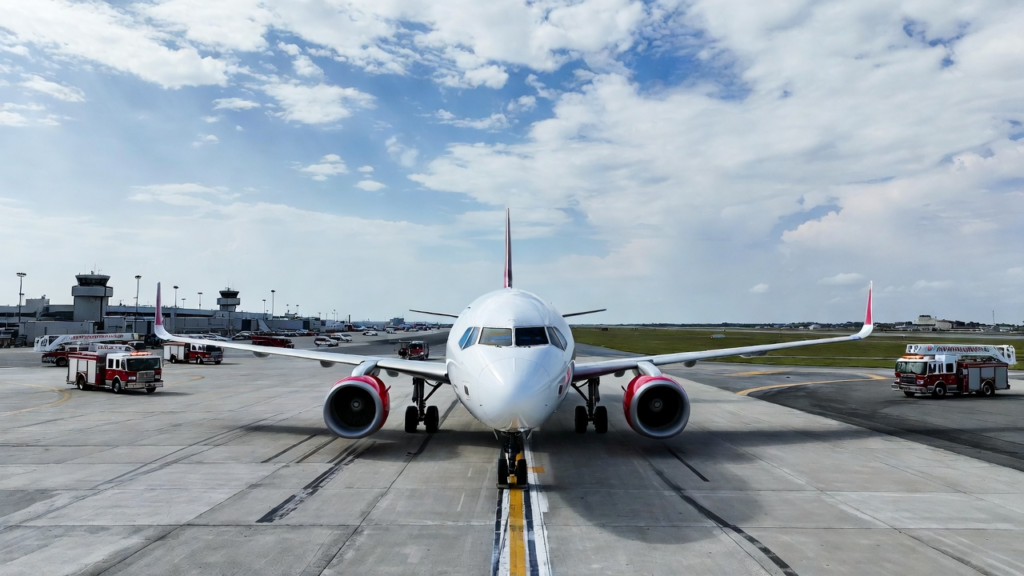
When a flight diversion happens, it sometimes attracts media attention, especially if it involves a well-known airline or a busy route. Social media also spreads information quickly, with passengers often sharing photos or updates in real time.
However, not all reported details are immediately accurate. Early information may be incomplete. It is always best to rely on official airline statements for confirmed details. In the case of Delta flight DL636 diversion, any official explanation would come directly from Delta Air Lines.
Public interest in aviation incidents is natural, but it is important to understand that diversions are precautionary measures rather than signs of major danger.
Conclusion
Delta flight DL636 diversion highlights how airlines prioritize safety above all else. While unexpected changes to travel plans can be inconvenient, they demonstrate that aviation systems are functioning as intended. Pilots, cabin crew, air traffic controllers, and ground teams work together to ensure that every flight ends safely.
Flight diversions may seem alarming at first, but they are usually handled professionally and efficiently. Understanding why diversions happen and how airlines manage them can help passengers feel more confident when flying. In the end, safety decisions are always made with passengers’ best interests in mind.
FAQs
What caused Delta flight DL636 diversion?
The exact cause would depend on official airline reports. Common reasons for diversions include technical issues, weather conditions, or medical emergencies. Airlines usually make such decisions as a precaution.
Are flight diversions dangerous?
Most diversions are not dangerous. In fact, they are preventive safety measures. Pilots choose to divert when they believe it is the safest option for passengers and crew.
Will passengers receive compensation after a diversion?
Compensation depends on the reason for the diversion and airline policies. In many cases, airlines provide assistance such as meal vouchers, hotel stays, or rebooking options if delays are significant.